

Cancer Innovation
FDA Grants Accelerated Approval to Camizestrant for Adults
The agency approved the estrogen receptor antagonist for use in combination with a CDK4/6 inhibitor.
Emerging2 min read
Independent health-science reporting · Evidence ratedEvidence rated

Section
Reporting on how cancer care is changing: new therapeutic classes, resistance biology, combination strategies, and the practical distance between a promising result and a treatment a patient can actually receive.
The agency approved the estrogen receptor antagonist for use in combination with a CDK4/6 inhibitor.
The agency approved the kinase inhibitor for adult patients with locally advanced or metastatic disease.
A systematic review indicates FAPI PET outperforms standard imaging for detecting sarcoma lesions while FAPI radionuclide therapy demonstrates clinical activity.
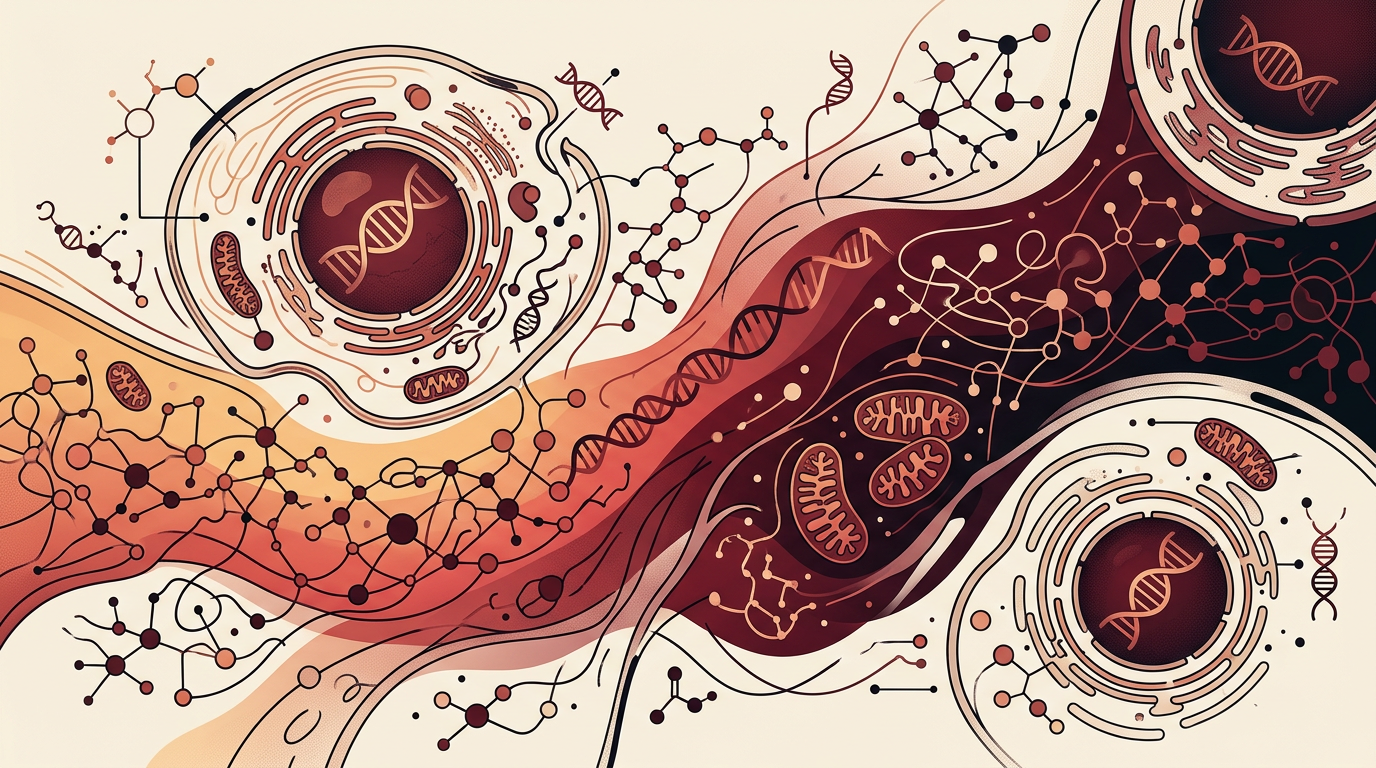
Research indicates the lncRNA MIR100HG behaves differently depending on cellular oxygen levels, acting as a context-dependent regulator in liver cancer cells.
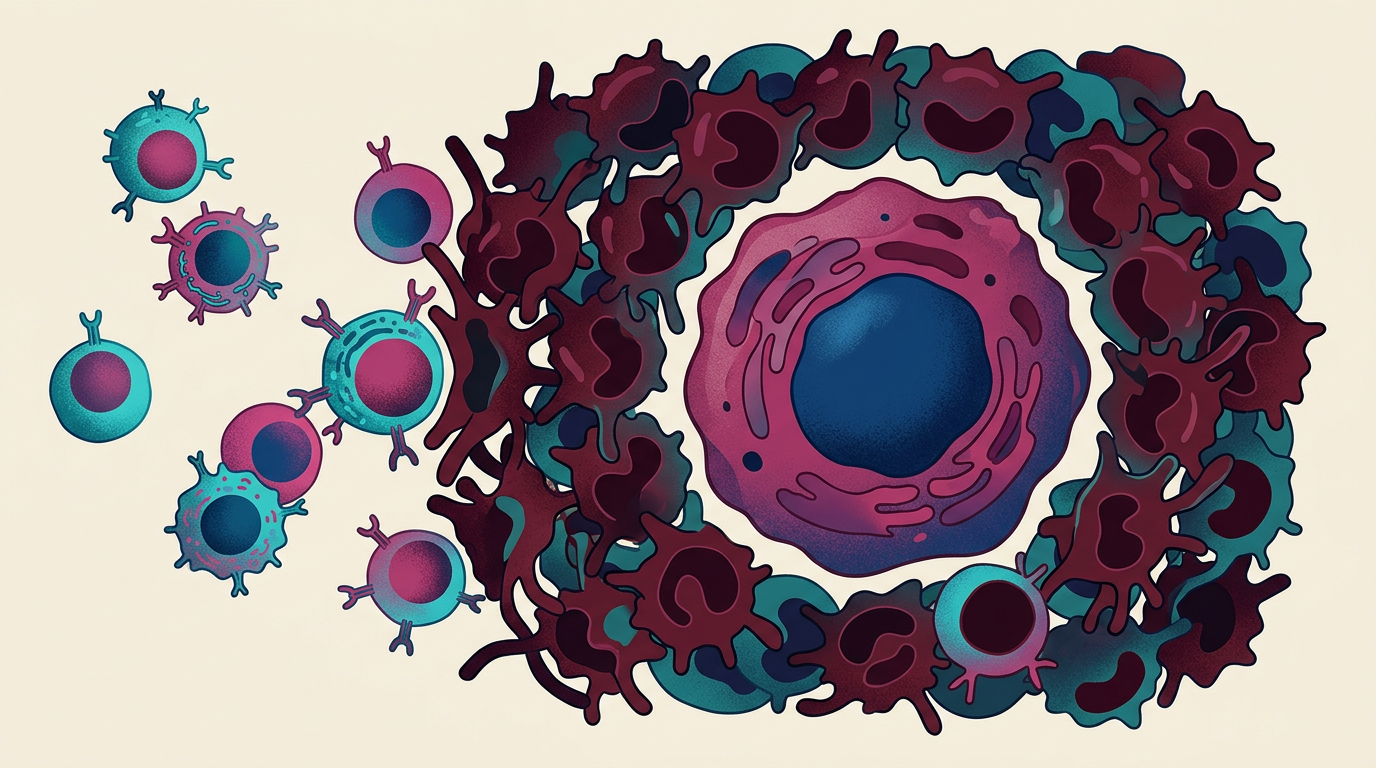
Researchers trace the genetic and environmental barriers to immunotherapy in mismatch repair-deficient colorectal cancers.

A study tracking 25 years of publication data maps how the clinical and academic focus has transitioned toward neoadjuvant and combination strategies.

An alkaloid isolated from Stephania venosa halts cancer cell proliferation and triggers programmed cell death in vitro.

A study using spatial transcriptomics and machine learning highlights the role of SERPINE1 in tumor stromal remodeling.

By joining the ends of the RNA strand into a loop, researchers are evaluating circular RNA to resist degradation and extend protein expression in cancer applications.
Researchers have designed a biodegradable nanoparticle that combines chemotherapy, heat, and immunotherapy to target resistant solid tumors.